Tropes In Story Telling
1. What Is A Trope?
A trope is a storytelling element that has been used so many times that it has become a convention.
The term trope is used broadly and can cover aspects of storytelling such as figures of speech (e.g. ‘paint the town red’), imagery (e.g. a human rising through the air toward a UFO), character (e.g. the jaded cop two weeks from retirement) or a plot structure ( e.g. the ‘chosen one’ teenager who saves the world while choosing between two love interests). It is a recognizable plot element, theme or visual or verbal cue that conveys something to the reader.
Tropes
2. Are Tropes Bad?
Tropes aren’t inherently bad. They exist because they work. In fact, it is nigh impossible to write a story without them. Tropes function as shorthand, conveying a wealth of information to the reader in a few short words or images. Tropes in writing become a problem when they have been overdone and the writer has brought nothing new to them. An over-reliance on tropes is considered a sign of poor writing, lazy writing, and a lack of originality.
When using tropes, it is important to use them within intention. That is, to know what they are and how they function within your genre. You can then either double down on them, leaning into all their tropely glory, confident in the knowledge that you have made an informed decision to use them and that they are serving the type of story you want to tell. Or, you can know they are there and intend to up-end them or put a fresh spin on them in some way. Be warned though, subverting tropes can backfire on you if you don’t manage your readers’ expectations appropriately.
How To Use Tropes
3. How Do I Use Tropes To Manage A Readers Expectations?
People read to experience a desired set of emotions. We read because we want to FEEL a certain way. Plot tropes are shorthand which let us know which feelings to expect when we pick up certain books. For example, a fantasy reader is usually seeking a sense of wonder and heroism, a thriller reader is seeking a feeling of intrigue, tension and suspense, and a romance reader is seeking a feeling of squee. Yes, squee. It’s a real word and everything.
Common plot tropes include but are by no means limited to the buddy cop story, the underdog story, the rags-to-riches story, the happily-ever-after story, the whodunnit story, the quest story, the romance story and the comedy.
When we select books with these storylines, we know for the most part, what to expect. And we’re okay with that. In fact, that’s why we chose them.
But, at the same time, were expecting the author to take us on a familiar emotional journey that also feels fresh and interesting to us. No pressure authors 😉
Subverting Tropes
4. How To Handle Tropes With Intention
If you choose to subvert the tropes in your book you need to foreshadow this on the cover, the back cover blurb and in the first chapters, otherwise, the majority of your readers will feel tricked and betrayed when their happily-ever-after story (in which they were hoping to feel squee) turns into a tense thriller story.
Conversely, your thriller readers will feel disgruntled and let down if your edge-of-your-seat thriller turns into a mushy romance halfway through. Sure, some of your readers will love the subversion, but they will be the exception and not the rule. By and large, you will alienate your audience – unless you managed their expectations of the story type from the very beginning.
(SPOILERS) A great movie example of this is Hancock. It starts out as a fresh take on the superhero trope with an alcoholic and down-on-his-luck Will Smith. The story is captivating and interesting until they introduce his superhero ex-girlfriend, Charlize Theron. From there on the story shifts from superhero movie into a ‘romance of the ages,’ completely losing any tension it had. As a general consensus, the movie alienated both romance movie genre lovers and superhero movie genre lovers.
For a literary example, Dan Wells often cites the number one complaint with his ‘I Am Not A Serial Killer’ series, is that he left it too long to introduce the supernatural element in the story. This had the dual effect of:
1) Not capturing the interest of readers who WANTED that paranormal aspect in a story, and
2) Alienating readers who thought they were reading a standard crime thriller when suddenly it turned paranormal.
So again, be aware of the tropes in your story and of how you are using them.
Tropes Vs Archetypes
5. What’s The Difference Between A Trope And An Archetype?
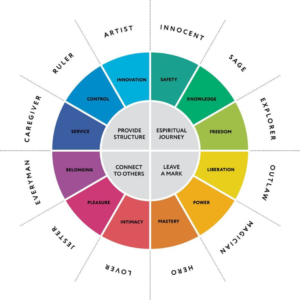
The difference between the two is the timelessness and universality of their natures. Tropes are dependent on the time period and the culture they exist in, whereas archetypes are a universal concept that resonates deeply with the human consciousness, across all ages and cultures.
Within the framework of storytelling specifically, an archetype is a common pattern of behaviour or a representation of a universal truth. For instance – the mentor character has a common pattern of behaviour, while ‘love is the answer’ is considered a common universal ‘truth.’
Due to its persuasive and universal nature, an archetype never becomes stale or dated, although they can feel one dimensional unless the writer fleshes them out and put their own unique spin on them. You can have a mentor character archetype, but what makes your mentor character different from every other mentor character out there?
Overused Tropes
6. What Are Some Of The Most Overused Tropes In General Fiction?
It varies from genre to genre, but there are some catchall tropes that everyone is familiar with:
- Idiot plotting – wherein the stories problems could easily be resolved if the two main characters just talked to each other, yet don’t for a variety of flimsy reasons
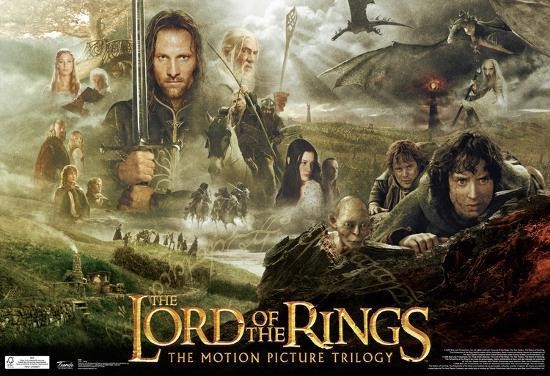
- the dark lord who wants to take over and destroy the whole world/universe
- the ‘everyman’ character who rises to the occasion and saves the day/world
- the two lead characters getting together at the end of the story,
- the bad guy/monster we thought was dead rising again when the main characters back are turned.
If you want to go down the rabbit hole of tropes check out TV tropes. It’s a fascinating read, but be prepared to lose hours of your life
Tropes Vs Archetypes
6. What Are Some Of The Most Overused Tropes In Genre Fiction?
Action Tropes:
The chase scene: A frantic pursuit between two parties, either on foot or with vehicles
The ass-kicking pose: As the team prepares to fight, they all simultaneously adopt the ‘ass-kicking pose’ and pause, looking cool
The just-in-time-object-catch: The hero dives for, and catches an object that absolutely must not strike the floor, just before it hits the ground
Romance Tropes:
The Lovable Rogue: The male lead character is simultaneously desirable and off-putting or threatening.
The Roll in the Hay: A couple on a farm will make love in a hay barrack.
The Anti-Hero: The secretly honourable bad boy who comes good at the end. Some common attributes of the anti-hero are: rarely speaking, being a loner, either extreme celibacy or extreme promiscuity
Speculative Fiction Tropes:
(Fantasy) The power to create something from nothing: the character makes something out of thin air, or, more accurately, nothing. The created object in question may be permanent or temporary, depending on the character’s ability
(Sci-fi) The lightspeed leapfrog: The brave explorers or colonists set out in their spaceship to spread humankind to the stars. You can’t travel faster than light, so they’re going to spend most of the trip on a Sleeper Starship as Human Popsicles, or it’s a Generation Ship and it’ll be their descendants who step out at the other end of the trip.
(Fairy tales) The impossible task: a favourite theme in myths and legends, folklore and Fairy Tales the world over. The task might be undertaken to win a boon, or a bride, to gain land, to break a Curse.
Thriller Tropes:
The cliff hanger: often thought of as a cheap and lazy way to create a sense of suspense. A Cliff-hanger ends a scene, chapter or book with some (or all) of the main characters in peril of some kind and the audience is made to wait for the outcome.
The conspiracy: The story starts off with either a minor meaningless crime or a high-profile murder. A person related to the criminal blamed or the uncovered victim notices some odd discrepancies in the official story and digs deeper. Before the protagonist(s) realize(s) it, they are caught in a multi-layered plot that involves possibly EVERYONE, especially those who are tasked with the official investigation… meaning that the hero/heroine can’t go to the cops… or the press… or that janitor in the hallway they just passed who looks a little too much like the guy who’d been shadowing them the last day or so…
The reveal: A key moment in most plots, when the heroes or the audience discover how the villains have been manipulating everyone. Can also be used to make a cliff-hanger more dramatic.
Making Tropes Your Own
7. Mixing the Familiar and the Strange. Making Tropes Your Own
There is a reason that most speculative fiction stories usually consist of 70% the known world and 30% the strange. If I wrote of an experience that was wholly new in all of human existence, it would be so foreign and incomprehensible to the human mind as to be meaningless. Without a framework of familiarity to reference, any wholly new thing or experience cannot be thought of, understood, discussed, or shared.
This same principle applies to storytelling. In all of storytelling, we lean on tropes. We need those tropes to understand the framework of the story.
The secret to fresh storytelling is in taking those familiar tropes and twisting them just enough to make them interesting and unique while keeping them relatable.

About Me
Who Is Jesse Greyson?
Jesse Greyson is a fantasy author and substantive book editor. She loves the craft of writing and would like to share her skills and knowledge with writers who want to take their books to the next level.
Jesse resides on the Gold Coast and lives that ‘Houseplants & Huskies’ life. She has three snow dogs, plants where her dining table should be (and on every other available surface), and more ideas for novels than she can ever hope to write in her lifetime.
Jesse is active on social media, and has an addiction to memes, which she also flagrantly encourages in other people. Jesse can be found on Facebook, Twitter, Instagram, and YouTube.